
2026-09-13 ·
Post-Flood Cleanup Checklist for Huron River Area Homes
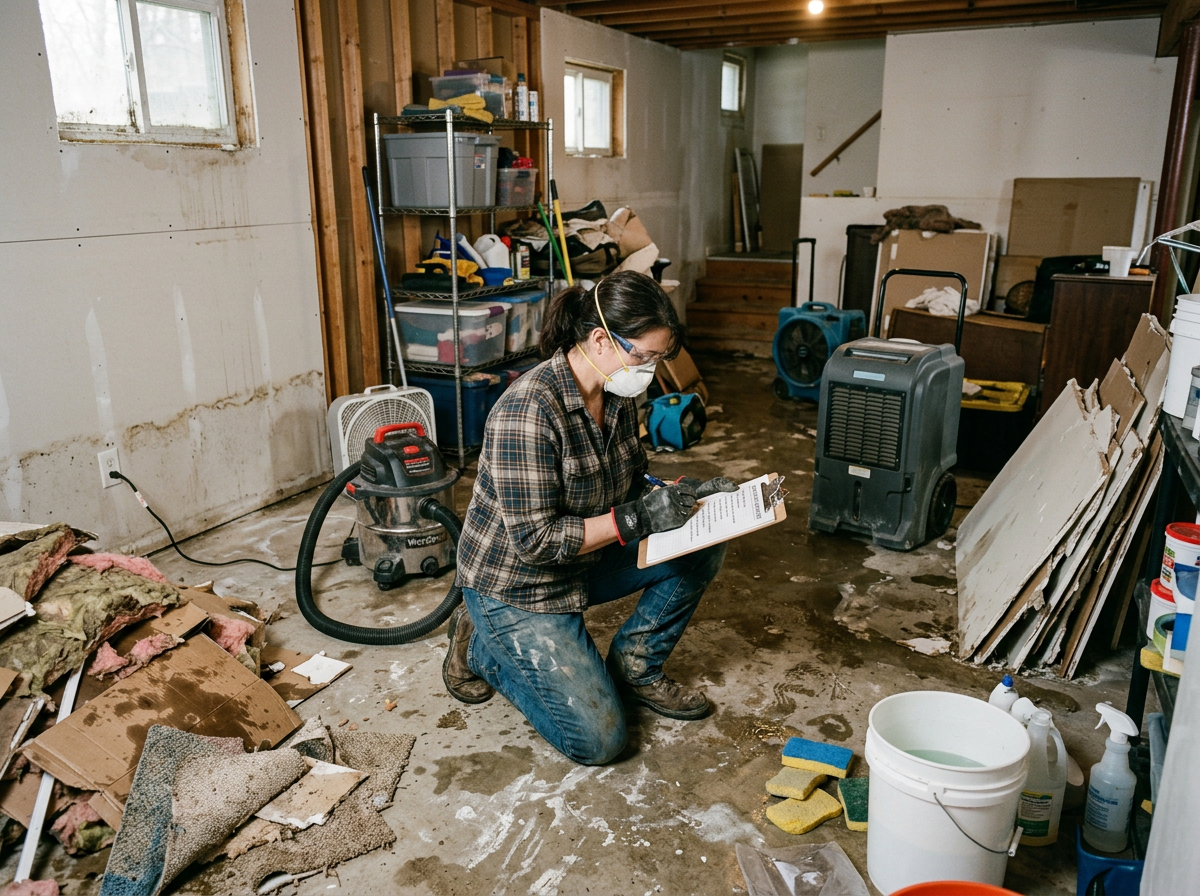
Huron River area homes often require 48 to 72 hours of focused work to move from standing water to a dry, safe basement when Category 3 water enters through floor drains or foundation walls. The process begins with safety checks, followed by extraction, drying, cleaning, and steps to reduce repeat flooding from clay soils and 42-inch frost depth.
Assess the Situation and Prioritize Safety
Start by turning off electricity at the main panel if water reaches outlets or appliances. Wear rubber boots and gloves, and avoid direct contact with water that may contain sewage from surcharged combined sewers common in Ypsilanti and nearby river communities. Document every room with photos before moving items, noting which finished basement areas have carpet, drywall, or insulation that will need removal. Check for structural concerns such as bowed walls caused by hydrostatic pressure from saturated clay soils. If the water depth exceeds a few inches or you detect strong odors, contact local professionals for flooded basement cleanup rather than attempting full removal alone.
Remove Standing Water and Contaminants
Use a wet-dry vacuum or submersible pump to extract as much water as possible within the first 24 hours before it soaks deeper into slab or walls. Focus on floor drains and low spots where sewage backup often pools after heavy rain. Once bulk water is gone, remove and discard porous materials like carpet padding, cardboard boxes, and saturated drywall up to 12 inches above the water line. Rinse hard surfaces with clean water, then apply a disinfectant suitable for Category 3 water. Homeowners near the Huron River can review common flooding triggers in this area through the guide on what causes basement flooding near the Huron River.
Dry the Space Thoroughly
Run commercial dehumidifiers and air movers continuously until indoor humidity stays below 50 percent, which typically takes 3 to 5 days in Michigan basements during spring thaw or after January pipe bursts. Place moisture meters on concrete floors and joists to confirm readings drop below 15 percent before reinstalling finishes. Open windows only when outdoor air is drier than indoor conditions; otherwise keep them closed to avoid pulling in humid lake-effect moisture. Sump pump failure during outages often leaves hidden pockets of water behind finished walls, so check behind baseboards and under stairs. Consistent airflow and monitoring prevent the rapid mold growth that follows summer storms.
Clean and Disinfect Surfaces
Scrub all non-porous surfaces with a detergent solution followed by a disinfectant rated for sewage contamination. Pay special attention to floor joists, electrical boxes, and any wood that contacted water. Remove and replace insulation that has wicked moisture, then treat exposed framing with an antimicrobial solution. Allow every surface to dry completely between cleaning steps. For homes with finished basements, this phase often reveals hidden damage that requires professional sewage backup cleanup to meet health standards.
Prevent Future Issues
Install or inspect a backwater valve on the main sewer line to block reverse flow during heavy rain. Grade soil away from the foundation and ensure downspouts discharge at least 6 feet from the house. In Ypsilanti's 48197 zip code, where clay soils hold water against foundations, consider adding a French drain system tied to a reliable sump with battery backup. After any flood event, review your insurance policy directly with your carrier because sewer backup coverage depends on the specific rider. Regular maintenance of these protections reduces the chance of repeat flooding during spring thaw or winter freezes.