
2026-09-13 ·
Handling Sewage Backup in Older Ypsilanti Neighborhoods
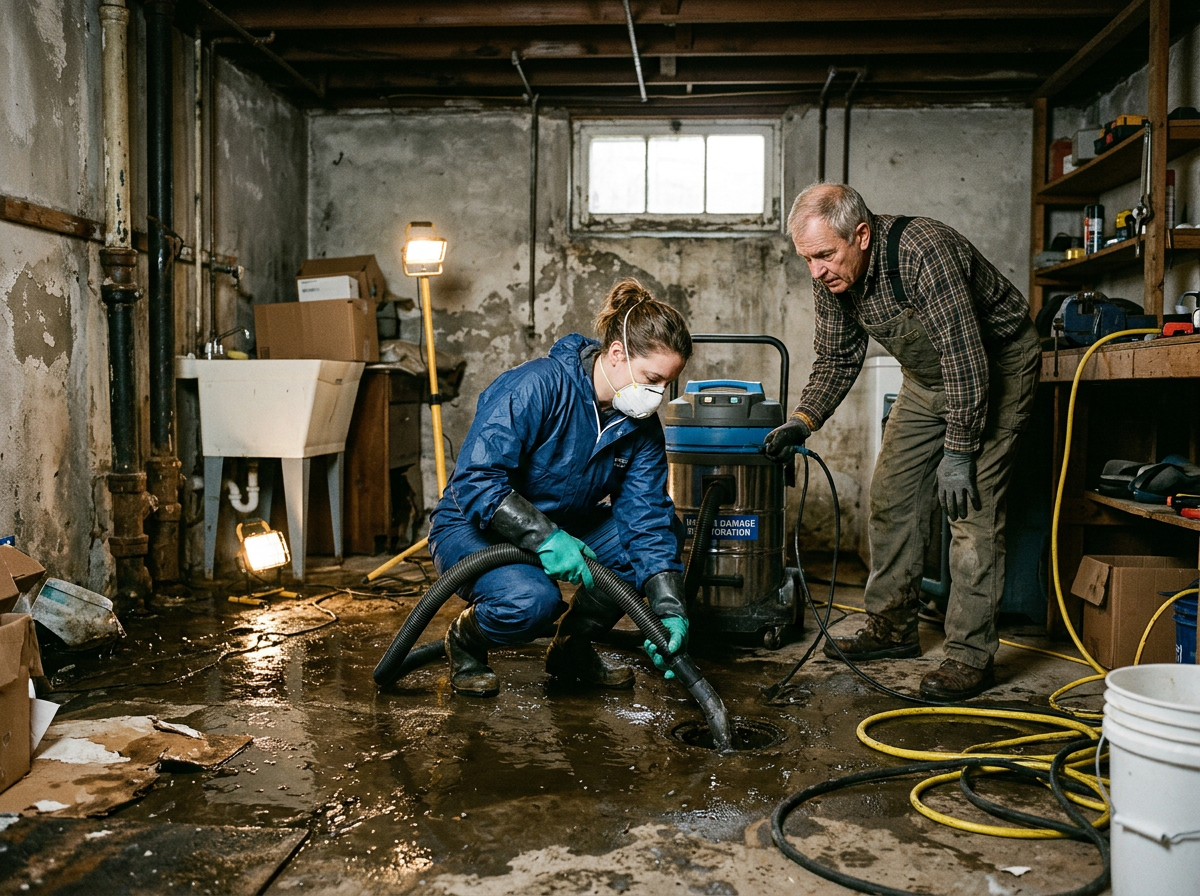
In older Ypsilanti neighborhoods, handling sewage backup starts with treating the water as Category 3 material that demands professional extraction within the first 24 to 48 hours before it saturates finished basement materials. Combined sewers in these areas surcharge during intense storms, forcing sewage up floor drains, while clay soils and hydrostatic pressure push additional moisture through foundation cracks. Residents should avoid direct contact, shut off power to affected zones if safe, and ventilate upper levels before calling for help. Local conditions like 42-inch frost depth and spring thaw over frozen ground can worsen infiltration once winter pipe bursts or sump failures occur during outages.
Recognizing Local Sewer and Soil Factors
Older Ypsilanti blocks built before modern separation systems face repeated surcharges when heavy rain overwhelms combined lines. Clay soils common throughout Washtenaw County hold water against foundations, increasing pressure that forces contaminated liquid through any opening. During January and February, frozen ground prevents natural drainage, so meltwater or burst pipes quickly overwhelm floor drains. Homeowners notice sewage odors first in finished basements, followed by slow-rising water that stains carpet pads and drywall within hours. Understanding these patterns helps prioritize which homes need backwater valves installed at the main line to block reverse flow from the street.
Immediate Safety and Containment Steps
Once sewage appears, limit movement through the water to reduce tracking into living areas above. Remove uncontaminated items from the perimeter and place fans on upper floors to push moist air outward rather than recirculating it. Never attempt to pump sewage into yard drains or storm sewers, as this spreads contamination. Contact a local crew familiar with Ypsilanti's 48197 zip code for extraction equipment sized for residential basements. They can isolate the affected zone, document moisture levels in walls and subfloors, and begin Category 3 protocols that include antimicrobial application and removal of porous materials that cannot be salvaged.
Long-Term Prevention and Drying Practices
Installing a backwater valve at the sewer connection stops future surcharges from entering the home during storms. Pair this with regular sump pump checks, especially before lake-effect snow events on the west side of the state that can affect regional power reliability. After any event, drying finished basements requires dehumidifiers set to maintain 45-50 percent relative humidity and air movers positioned to reach behind baseboards. Expect typical drying cycles of five to seven days in Michigan's cool spring air before surfaces can be sealed or refinished. Sewage backup cleanup crews serving Ypsilanti track these timelines closely to prevent hidden mold growth in cavities.
When to Call for Professional Restoration
Finished basements throughout Ypsilanti hold insulation, electrical runs, and flooring that absorb sewage quickly, making DIY drying unreliable. Professionals bring moisture meters and thermal imaging to locate water that has wicked into subflooring or behind drywall. They also coordinate with insurance carriers on a case-by-case basis, since coverage for sewer backups depends on the individual policy. For homes showing repeated intrusion through foundation cracks, review targeted repair options in the article Addressing Cracks That Allow Water Into Ypsilanti Basements. Equipment lists and drying standards appear in Common Equipment Used for Flooded Basement Cleanup in Michigan for those planning ahead.